-
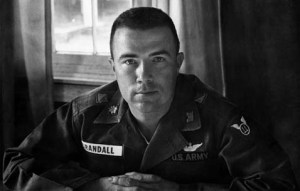
Medal of Honor recipient Bruce Crandall, whose heroism was chronicled in ‘We Were Soldiers Once,’ dies at 93
Ret. Col. Bruce Crandall received the Medal of Honor for repeatedly flying his helicopter into intense enemy fire to evacuate dozens of wounded troops.
-
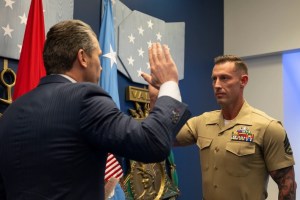
Veteran who lost both of his legs in combat reenlists in the Marine Corps
Staff Sgt. Johnny “Joey” Jones, who medically retired in 2012 after losing both of his legs in combat, said he felt he had more to give to the service.
-
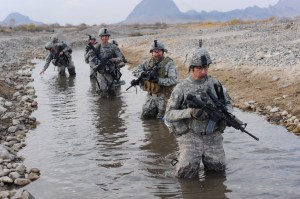
Afghanistan War Commission hears from vets as it tackles troop surge
The commission will hold a multipanel hearing on what for many is a defining point of the war: President Barack Obama’s troop surge in late 2009.
-
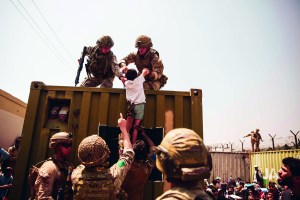
GOP report blames Biden for disastrous end to US war in Afghanistan
The investigation claims the Biden administration undermined high-ranking officials and ignored warnings of the Taliban’s growing strength.
-
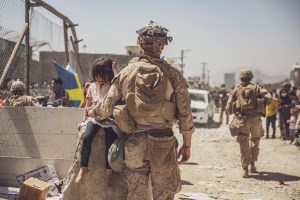
Three years after Abbey Gate, Air Force nurse receives Bronze Star
A flight nurse that risked his life to save victims of the 2021 Kabul airport attack was awarded a Bronze Star earlier this month for his valor.
-
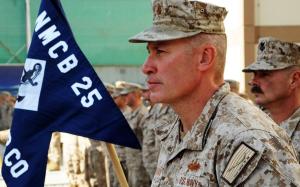
Navy officer convicted in Afghan visa bribery scheme
Cmdr. Jeromy Pittmann was convicted for writing bogus letters of recommendation for those seeking a Special Immigrant Visa in exchange for cash.
-

Review says Abbey Gate bombing wasn’t preventable
A new review says the suicide bombing at the Kabul airport that killed U.S. troops and Afghans in August 2021 was not preventable.
-
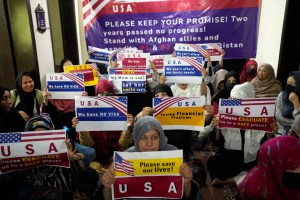
Senators warn more visas are urgently needed for Afghans who aided US
More than a dozen senators said Congress needs to raise the limit on the number of special immigrant visas the U.S. can process for Afghans.
-
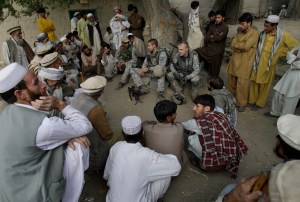
Lawmaker to vets: ‘You’re justified in your rage’ about Afghans’ plight
Nearly 250 former U.S. interpreters and allies in Afghanistan have been reported killed by the Taliban in retribution for their service.
-

Afghan Air Force pilots who resettled in US killed in plane crash
The three men who died in a small plane crash in Oregon over the weekend were Afghan Air Force pilots who had resettled in the U.S. as refugees.
-
Medal of Honor recipient Bruce Crandall, whose heroism was chronicled in ‘We Were Soldiers Once,’ dies at 93
Ret. Col. Bruce Crandall received the Medal of Honor for repeatedly flying his helicopter into intense enemy fire to evacuate dozens of wounded troops.
-
Veteran who lost both of his legs in combat reenlists in the Marine Corps
Staff Sgt. Johnny “Joey” Jones, who medically retired in 2012 after losing both of his legs in combat, said he felt he had more to give to the service.
-
Afghanistan War Commission hears from vets as it tackles troop surge
The commission will hold a multipanel hearing on what for many is a defining point of the war: President Barack Obama’s troop surge in late 2009.
-
GOP report blames Biden for disastrous end to US war in Afghanistan
The investigation claims the Biden administration undermined high-ranking officials and ignored warnings of the Taliban’s growing strength.
-
Three years after Abbey Gate, Air Force nurse receives Bronze Star
A flight nurse that risked his life to save victims of the 2021 Kabul airport attack was awarded a Bronze Star earlier this month for his valor.
-
Navy officer convicted in Afghan visa bribery scheme
Cmdr. Jeromy Pittmann was convicted for writing bogus letters of recommendation for those seeking a Special Immigrant Visa in exchange for cash.
-
Review says Abbey Gate bombing wasn’t preventable
A new review says the suicide bombing at the Kabul airport that killed U.S. troops and Afghans in August 2021 was not preventable.
-
Senators warn more visas are urgently needed for Afghans who aided US
More than a dozen senators said Congress needs to raise the limit on the number of special immigrant visas the U.S. can process for Afghans.
-
Lawmaker to vets: ‘You’re justified in your rage’ about Afghans’ plight
Nearly 250 former U.S. interpreters and allies in Afghanistan have been reported killed by the Taliban in retribution for their service.
-
Afghan Air Force pilots who resettled in US killed in plane crash
The three men who died in a small plane crash in Oregon over the weekend were Afghan Air Force pilots who had resettled in the U.S. as refugees.
-
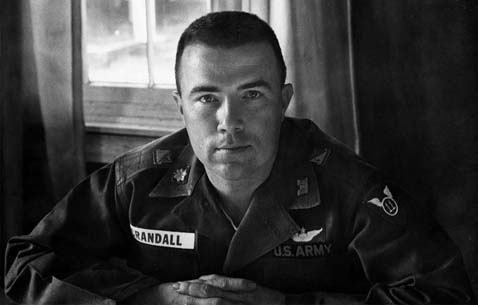
Medal of Honor recipient Bruce Crandall, whose heroism was chronicled in ‘We Were Soldiers Once,’ dies at 93
Ret. Col. Bruce Crandall received the Medal of Honor for repeatedly flying his helicopter into intense enemy fire to evacuate dozens of wounded troops.
-
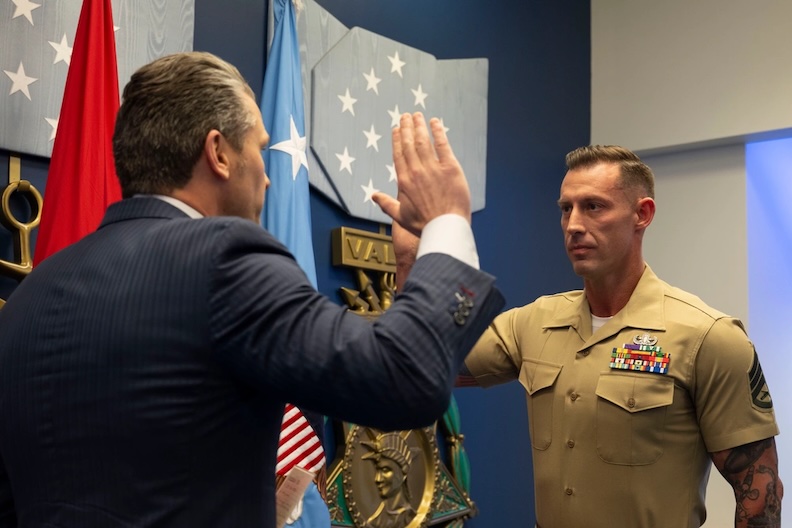
Veteran who lost both of his legs in combat reenlists in the Marine Corps
Staff Sgt. Johnny “Joey” Jones, who medically retired in 2012 after losing both of his legs in combat, said he felt he had more to give to the service.
-
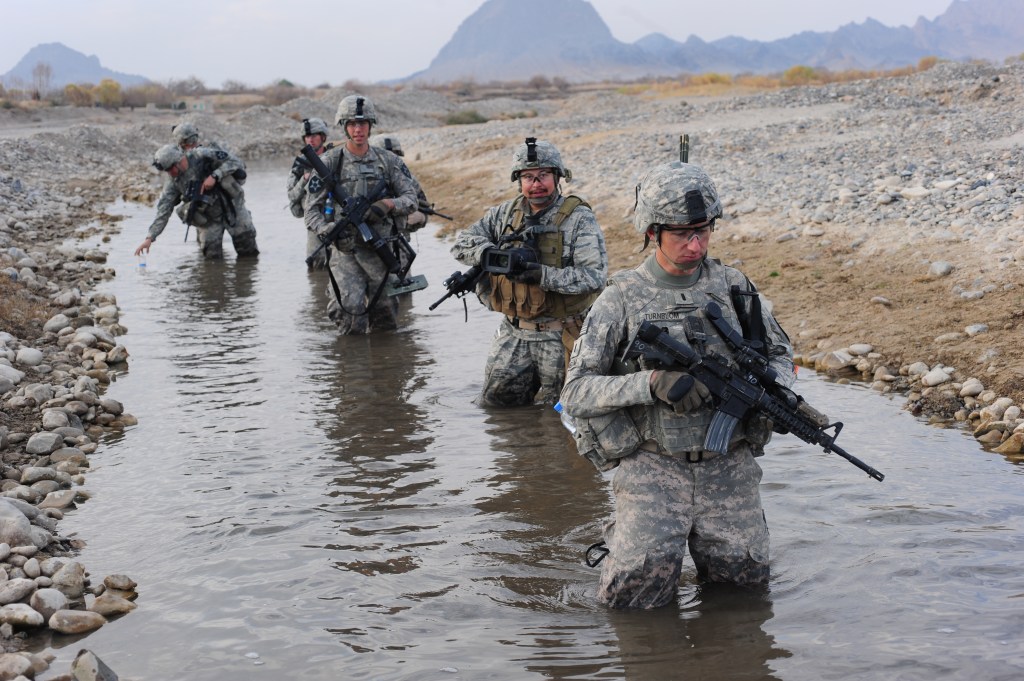
Afghanistan War Commission hears from vets as it tackles troop surge
The commission will hold a multipanel hearing on what for many is a defining point of the war: President Barack Obama’s troop surge in late 2009.
-
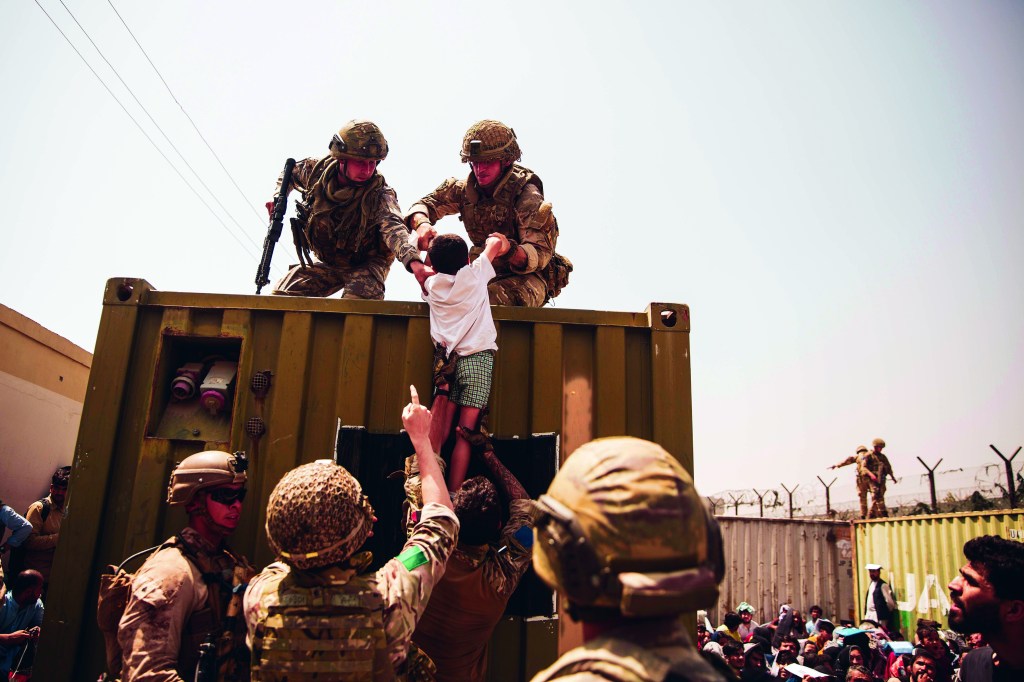
GOP report blames Biden for disastrous end to US war in Afghanistan
The investigation claims the Biden administration undermined high-ranking officials and ignored warnings of the Taliban’s growing strength.
-
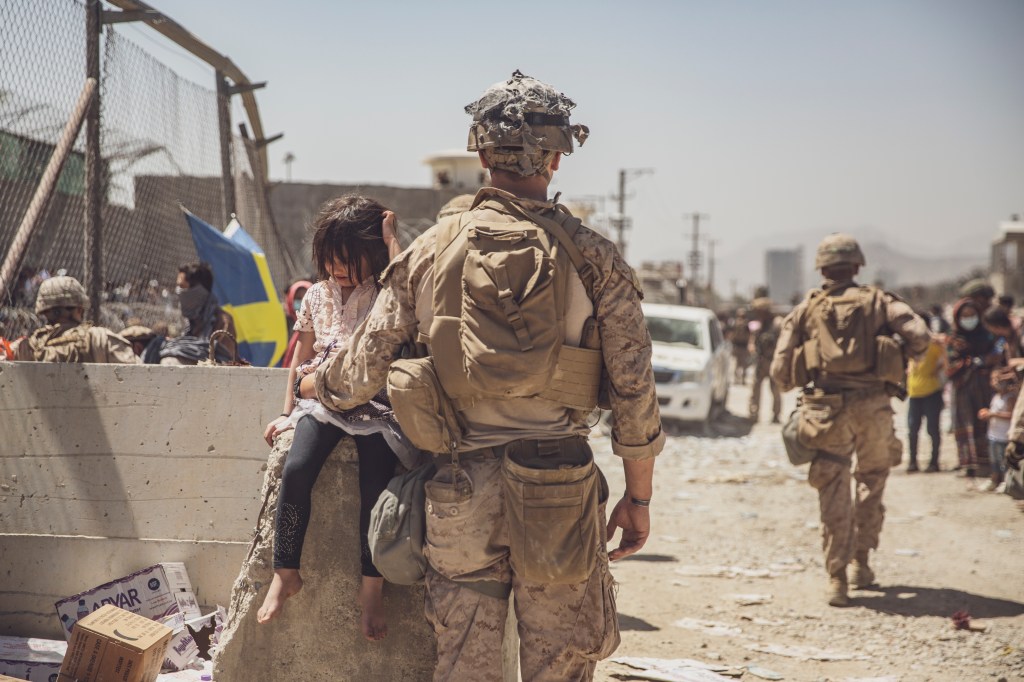
Three years after Abbey Gate, Air Force nurse receives Bronze Star
A flight nurse that risked his life to save victims of the 2021 Kabul airport attack was awarded a Bronze Star earlier this month for his valor.
-

Navy officer convicted in Afghan visa bribery scheme
Cmdr. Jeromy Pittmann was convicted for writing bogus letters of recommendation for those seeking a Special Immigrant Visa in exchange for cash.
-
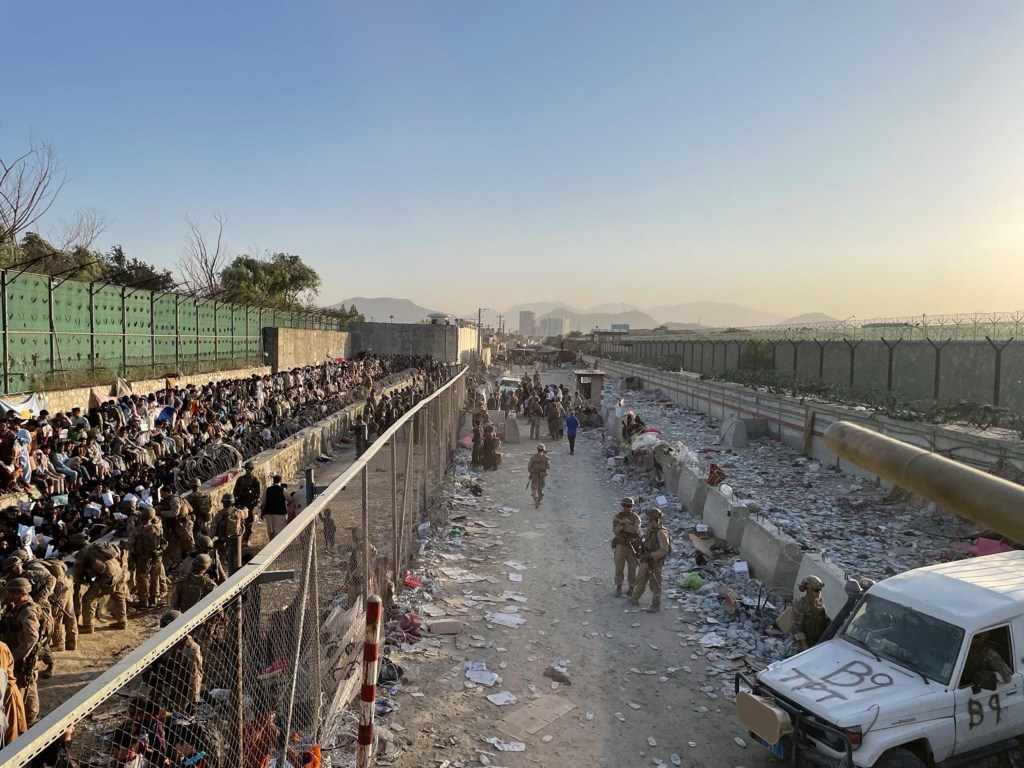
Review says Abbey Gate bombing wasn’t preventable
A new review says the suicide bombing at the Kabul airport that killed U.S. troops and Afghans in August 2021 was not preventable.
-
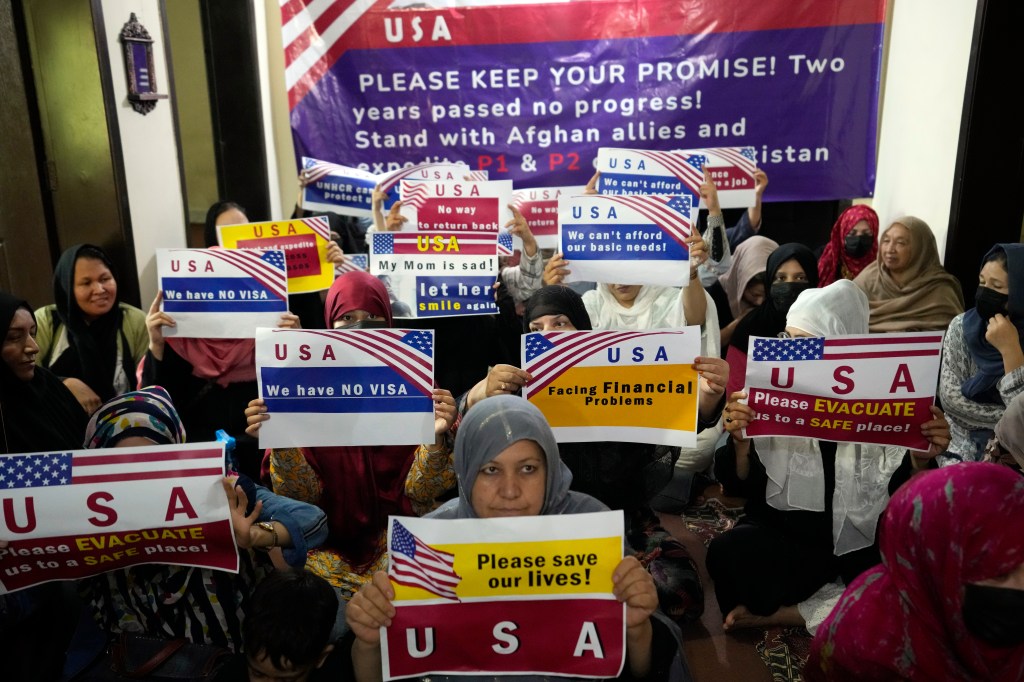
Senators warn more visas are urgently needed for Afghans who aided US
More than a dozen senators said Congress needs to raise the limit on the number of special immigrant visas the U.S. can process for Afghans.
-
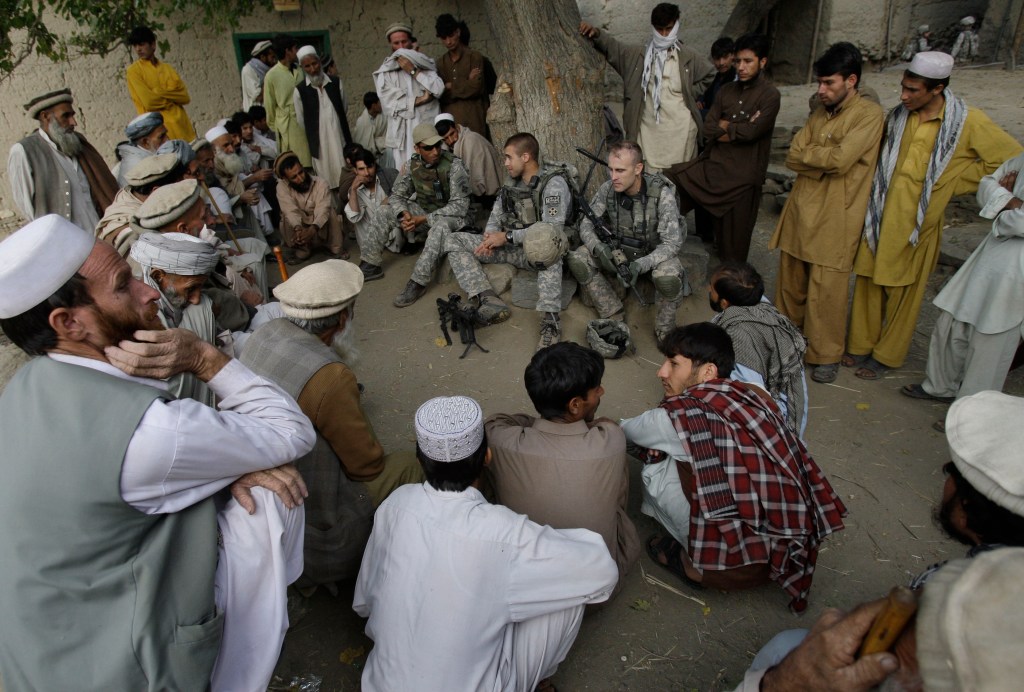
Lawmaker to vets: ‘You’re justified in your rage’ about Afghans’ plight
Nearly 250 former U.S. interpreters and allies in Afghanistan have been reported killed by the Taliban in retribution for their service.
-
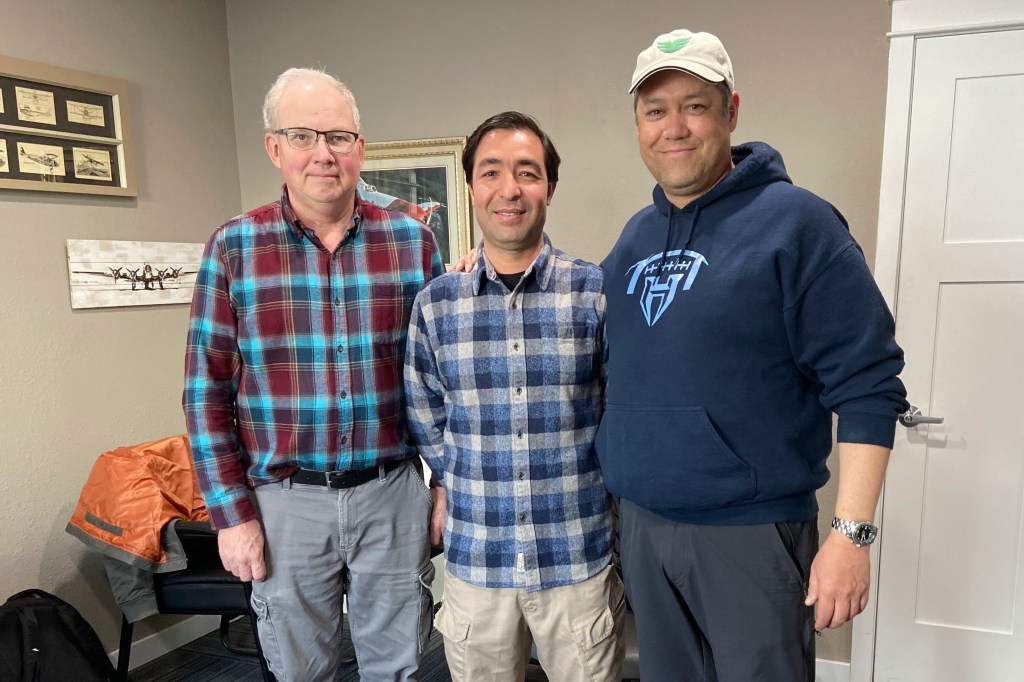
Afghan Air Force pilots who resettled in US killed in plane crash
The three men who died in a small plane crash in Oregon over the weekend were Afghan Air Force pilots who had resettled in the U.S. as refugees.